🌴 History of Andaman and Nicobar Islands | From Ancient Times to 2026
Explore the complete history of Andaman and Nicobar Islands. Learn about the ancient tribes, British penal colony, the heroic struggle at Cellular Jail, and the transformation to Sri Vijaya Puram.
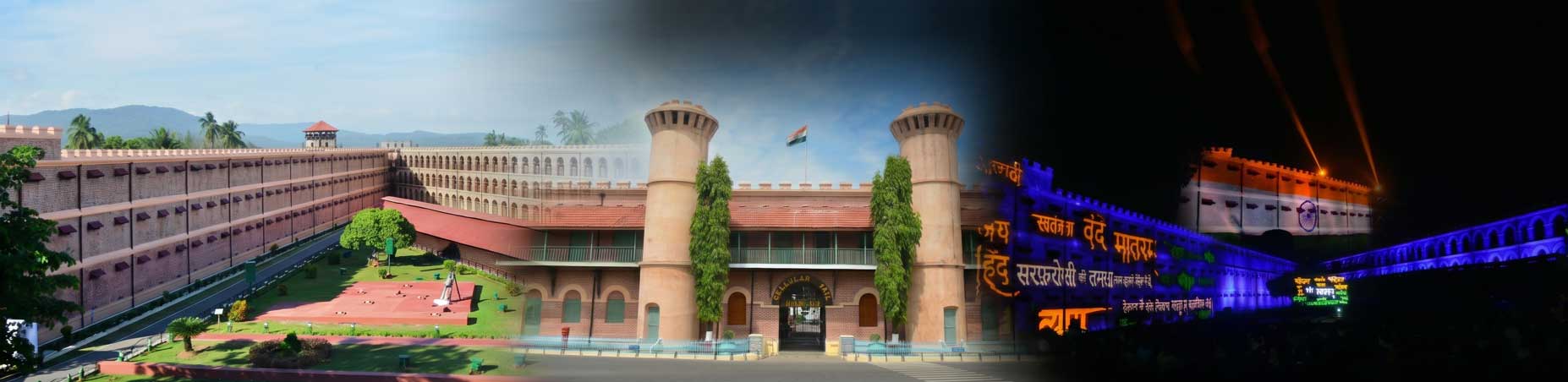 📸 Representative Image
The Andaman and Nicobar Islands, cradled in the Bay of Bengal, possess a soul-stirring history that weaves together ancient tribal heritage, colonial defiance, and the fiery spirit of India’s freedom struggle. From the dark days of "Kala Pani" to its modern identity as a tropical paradise, the journey of these islands is a testament to human resilience.
Historical Timeline
Ancient Origins & Tribes
The islands have been home to the Great Andamanese, Onge, Jarawa, and Sentinelese tribes for over 30,000 years. Chola Empire records from the 11th century refer to the islands as Ma-Nakkavaram (great open land).
1789: The First Settlement
Lieutenant Archibald Blair of the British East India Company established a naval base on Chatham Island. Though abandoned in 1796, this gave the capital its original name, Port Blair.
1858: The Penal Colony
Following the 1857 War of Independence, the British turned the islands into a high-security prison for freedom fighters, marking the beginning of the "Kala Pani" era.
1943: First Flag Hoisting
During the Japanese occupation in WWII, Netaji Subhas Chandra Bose visited and hoisted the Indian Tricolour, renaming the islands Shaheed and Swaraj.
2024 - 2026: Sri Vijaya Puram
To shed the colonial shadow, the capital was officially renamed Sri Vijaya Puram, honoring the historical significance and the ultimate victory of the Indian spirit.
Cellular Jail
Completed in 1906, this panopticon structure was designed for solitary confinement. Heroes like Veer Savarkar endured immense hardship here to secure Indias future.
Battle of Aberdeen
In 1859, the indigenous tribes fought a courageous but tragic battle against British expansion. The memorial at the Water Sports Complex stands in their honour.
A Mini-India Today
After 1947, the islands became a melting pot. Settlers from Bengal, Tamil Nadu, Kerala, and Punjab joined the local population, creating a unique society where all festivals are celebrated with equal fervor. There is no communal divide, making it one of the most peaceful places in the world.
Want to Experience This History in Person?
We organize specialized Heritage Tours covering Cellular Jail, Ross Island, and the Museums with expert storytellers.